Windsor Terrace's location between two of Brooklyn's largest green spaces means mosquito pressure here doesn't track with the neighbourhood's low-rise, residential density the way it might elsewhere. Standing water after summer rain — in yards, gutters, and low spots near the park and cemetery edges — gives mosquitoes breeding habitat close to homes.
Homes along Prospect Park West and Fort Hamilton Parkway see this pressure especially, given their direct proximity to the park and cemetery tree cover. Treatment here focuses on identifying and treating the standing-water sources on and near the property, not just fogging the yard once.
Do I really need professional mosquito and tick control in New York City?
The CDC reports that West Nile virus is the leading cause of mosquito-borne disease in the contiguous United States, spreading to people through the bite of a mosquito that has fed on infected birds. Most people infected develop no symptoms, but a small share go on to serious illness affecting the nervous system — which is why summer mosquito reduction matters for New York households. (CDC — About West Nile Virus)
The CDC advises that the foundation of mosquito control is removing standing water: once a week, empty and scrub, turn over, cover or throw out any item that holds water — buckets, planters, toys, birdbaths, flowerpot saucers or trash containers — because mosquitoes lay eggs near water. In a NYC backyard or courtyard the real breeding sites are clogged drains, saucers and forgotten containers. (CDC — Mosquito Control at Home)
The EPA explains that eliminating standing water in rain gutters, old tyres, buckets and other containers is the first and most cost-effective step in mosquito control, noting that egg- and larva-stage interventions are generally the most effective, least costly way to control mosquitoes — so removing breeding sites should always come before spraying adults around a property. (EPA — Success in Mosquito Control: An Integrated Approach)
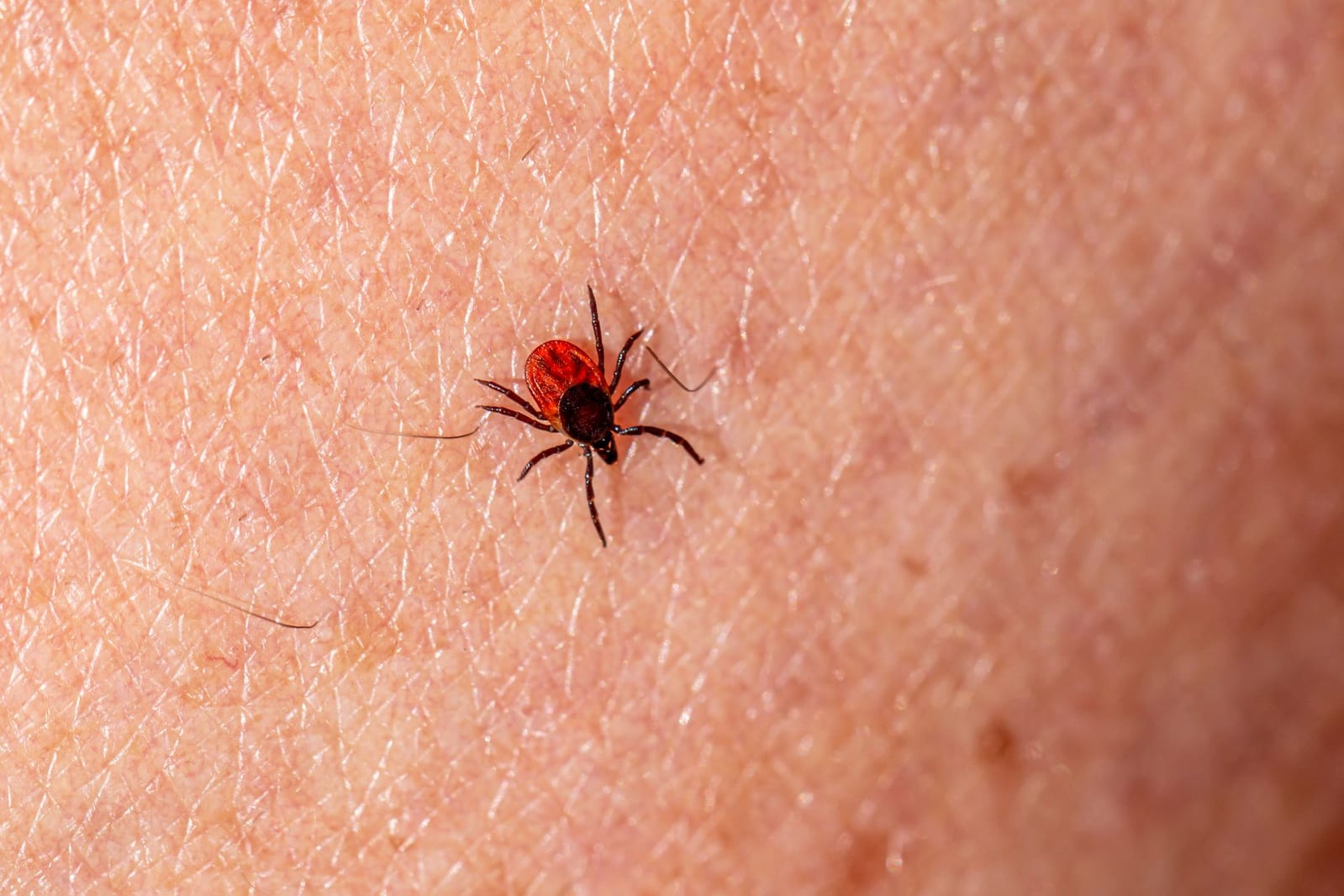
For ticks, the CDC notes the bacteria that cause Lyme disease spread through the bites of infected blacklegged (deer) ticks, which live in grassy, brushy or wooded areas, and that most cases occur in the Northeast — the region New York sits in. It recommends EPA-registered repellents with DEET, picaridin, IR3535 or oil of lemon eucalyptus, clothing pre-treated with 0.5% permethrin, and prompt tick removal. (CDC — Preventing Lyme Disease)
Why source reduction comes before spraying
| Approach | What it targets | What the agencies say |
|---|---|---|
| Source reduction (eliminate standing water) | Eggs and larvae — stops mosquitoes before they hatch | EPA: egg/larva interventions are the most effective, least costly control, and the first tactic |
| Larvicide treatment | Larvae in water that cannot be drained | EPA: larvicide treatment of breeding habitats reduces nearby adult numbers |
| Adult spraying (adulticide) | Flying adults already present | EPA lists adult control last — after habitat removal, barriers and larval control |
How much does mosquito & tick control cost in NYC?
$50–$2,500
Per-visit: $80–$150. Per-season average: $350–$1,000 (property-dependent; quarter/half-acre seasonal average ~$500). Overall reported range: $50–$2,500. Larvicide-only visits: $80–$120.
| Per-visit | $80–$150 per visit |
| Per-season | $350–$1,000 per season |
US national figure — NYC typically runs higher.
Market range — not our quote
This is a market range synthesised from published cost guides — not a quote from this provider. The actual price depends on an in-person or photo-based inspection.
US national, yard/property-based figures — most NYC pest-control demand is apartment/building interior, so these outdoor-yard-oriented ranges apply best to NYC rowhouse/backyard or small-business-patio contexts, not typical apartment units. No NYC-specific mosquito guide found.
What drives the price
- Property/yard size
- Treatment method (adult spray vs larvicide briquettes vs misting system)
- Single visit vs full-season recurring plan (every ~21 days, April–September)
- Contract length
Signs you have a mosquito & tick control problem
- Increased mosquito activity after summer rain, especially on blocks along Prospect Park West or Fort Hamilton Parkway
- Standing water in gutters, low yard spots, or containers after a storm
- Mosquito activity that seems disproportionate to the neighbourhood's residential density
Why Windsor Terrace sees this
Windsor Terrace's position between Prospect Park and Green-Wood Cemetery gives it heavier seasonal mosquito pressure than its density alone would suggest.
Homes along Prospect Park West and Fort Hamilton Parkway sit closest to the park and cemetery tree cover, so they see this pressure especially, tied to standing water after summer rain.